Your spouse just deployed. The 12 things to do in the first 48 hours.
The next forty-eight hours after a deployment are when the security gaps that get exploited later are created. Twelve actions, ordered by priority.

OPSEC for military families — social media exposure, location sharing, data brokers, and what adversaries collect from public posts.
The next forty-eight hours after a deployment are when the security gaps that get exploited later are created. Twelve actions, ordered by priority.

Both 1Password and Bitwarden are credible. 1Password’s Travel Mode and family plan architecture make it the more practical choice for military families managing shared accounts across deployments.
Ring partnered with Flock Safety in October 2025. For military families, that changes who can see what is on your doorbell camera.

Location sharing between a deployed service member and family at home creates a persistent data record with real operational risks.
Military families face a threat profile that no generic privacy guide addresses.
Military families face a threat profile that no generic privacy guide addresses. Foreign intelligence, commercial data brokers, romance scammers, doxxers, and custody adversaries all target the same household through different channels. The operational baseline for the spouse, the parent, and the service member.
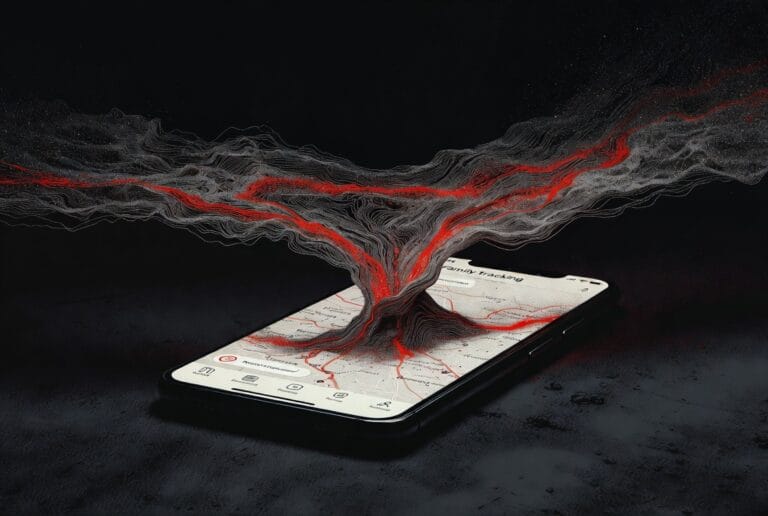
Life360, Find My Kids, Bark Connect. What each one shares, why it hits military families specifically, and the platform-native alternatives.
VeteranOwnedBusinesses.com and the veteran-targeted data ecosystem. What is published, how to check your exposure, and the broker-by-broker opt-out.

Nine categories of social media post consistently appear in open-source intelligence reports as high-value collection targets against military personnel and their families.

A January 2026 GAO report confirmed US military OPSEC training does not address commercial data brokers. The same brokers were exposed in the Gravy Analytics breach. The soldier who locks down Instagram still has his home address on dozens of databases.