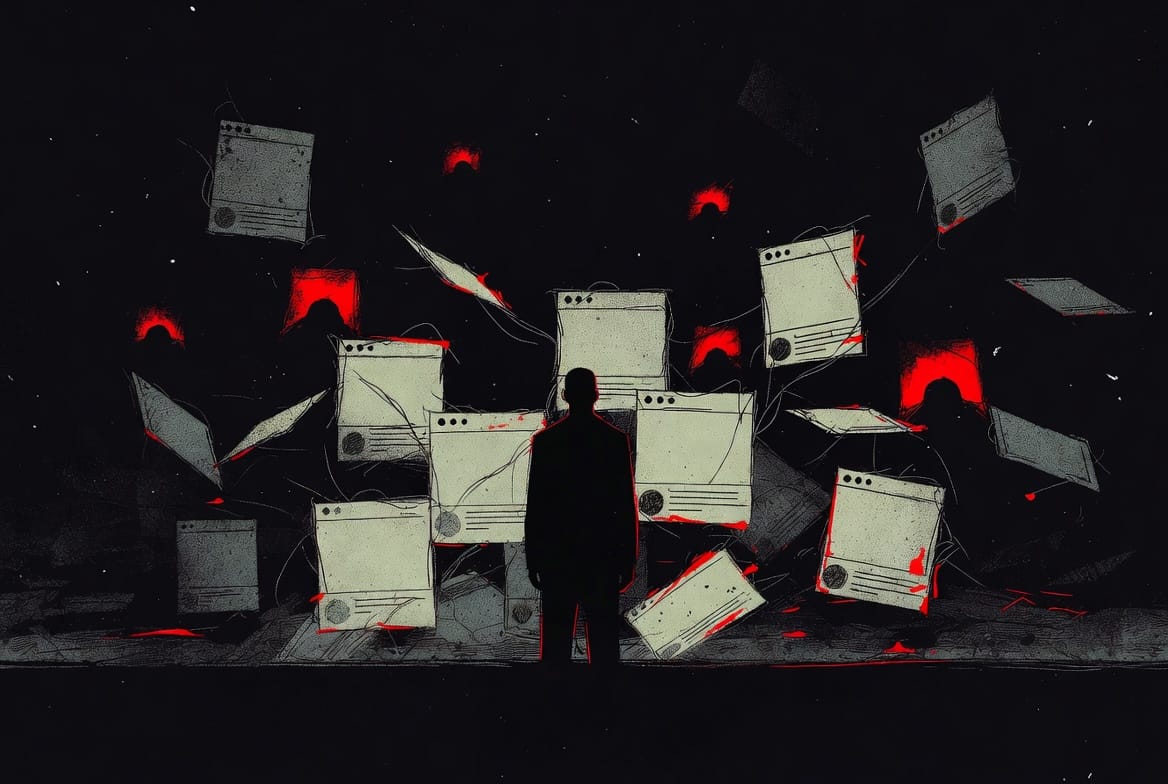
Military families: these 9 posts are exactly what adversaries are looking for.
Short answer
Nine categories of social media post consistently appear in open-source intelligence reports as high-value collection targets against military personnel and their families. Most are posted without any awareness of the risk. Most are posted without awareness of the risk, and the ones posted with good intentions expose exactly the same data.
Why this matters more than most families realise
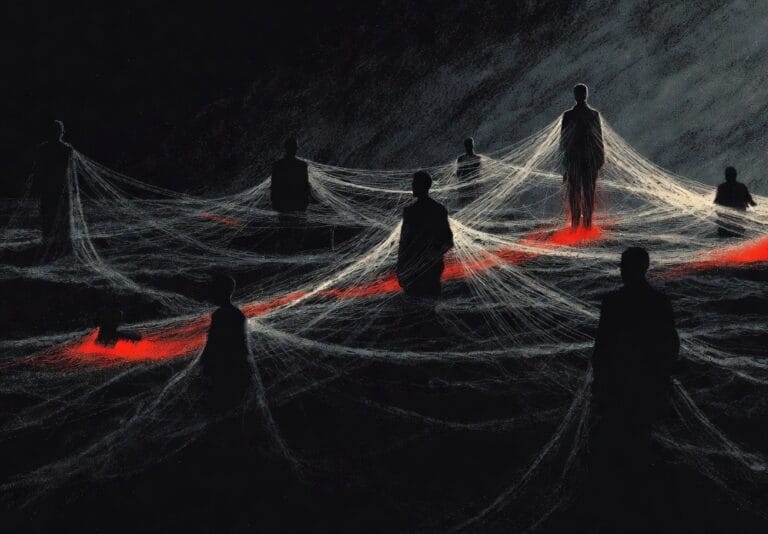
Foreign intelligence collection against military personnel and their families is documented, ongoing, and largely automated. Machine learning tools scan public social media at scale, extracting patterns from posts that individually seem harmless. The problem is aggregation: each post adds a data point. Enough data points and the picture becomes operational.
Service members receive security briefings; the family at home typically does not, and that information asymmetry is what adversaries actually exploit.
The 9 post categories
1. Deployment dates and timelines
“He leaves in three weeks.” “Two more months until he’s home.” Countdown posts feel like community. They function as operational calendars for anyone tracking unit movements. The specific dates matter less than the confirmation that a window is opening or closing.
2. Unit identification
Unit patches in photos. Hashtags referencing specific divisions or battalions. Uniform details visible in images. A spouse proud of their partner’s unit is doing nothing wrong. The result is still a publicly searchable confirmation of where that unit is and who is in it.
3. Base location and daily patterns
Geotagged posts near the installation. Check-ins at the commissary, the on-base gym, the school near housing. These confirm base association and establish routine. Routine is the foundation of surveillance planning.
4. Home address exposure
Street-visible house numbers in photos. Neighbourhood landmarks in the background. Deliveries photographed on the doorstep. Your phone carrier already sells your location data to aggregators. What you post publicly adds a permanent, searchable record on top of that.
5. Children’s school and schedule
First-day-of-school photos with the school name visible. “Soccer practice Tuesdays and Thursdays.” These establish predictable windows when the home is empty, or when family members are in public and alone. Family targeting has been used as operational leverage in documented cases, not just modelled as a hypothetical.
6. Relationship status and emotional state
Loneliness posts during deployment. Frustration with the military. Financial stress. These posts are human and understandable, which is exactly why they function as a targeting signal for social engineering approaches. Someone experiencing isolation is more susceptible to an approach from a sympathetic stranger online.
7. Equipment and vehicle photos
Photos taken near base with military vehicles visible in the background. Pride shots with equipment. Images that accidentally capture classified or operationally sensitive material in the frame. The subject of the photo is rarely the problem. The background often is.
8. Travel and absence windows
“Heading to mom’s for the next two weeks while he’s deployed.” This post tells anyone watching three things: the service member is away, the family home is unoccupied, and the departure window. The practical risks range from burglary to more targeted approaches.
9. Real-time location sharing
Stories posted during school pickup showing the route. Live location features enabled in apps shared with too many contacts. Fitness apps that publish route data publicly by default. Strava has exposed military patrol routes in active operational zones. The same mechanisms apply at home.
The aggregation problem
None of these nine categories is catastrophic in isolation. The problem is that an adversary collecting across all nine, over months, builds a profile that is operationally useful: where the family lives, when the home is empty, which school the children attend, when the service member deploys and returns, and what emotional vulnerabilities exist.
This is not about paranoia. It is about understanding that social media platforms are public by default, that data aggregation is automated, and that the information asymmetry between military families and the people who might target them is real. A threat model takes twenty minutes to build and changes what you choose to share.
What to do
Audit your account settings today. Default to private. Review who can see your posts, your tagged locations, your check-ins, and your historical posts. Most platforms bury these settings deep enough to discourage the audit, which is precisely why the audit matters.
Create a delay habit. Before posting anything deployment-related, ask whether it would matter if someone with bad intentions saw it. If yes, post it after the window closes, not during it.
Check your photo metadata. Images taken on modern smartphones embed GPS coordinates, timestamp, and device model by default. Platforms strip some of this automatically, but coverage is inconsistent across apps and post types. A single photo’s metadata has been used to locate and arrest a source. The mechanism is identical regardless of who is posting.
Talk about it as a family. The service member cannot control what their family posts. The family cannot protect against risks they have not been told about. This conversation is part of the threat model.
Frequently asked questions
Is this really a risk for non-senior enlisted or officer families?
Yes. Targeting is not limited to high-value individuals. Junior enlisted personnel have access to information, to facilities, and to networks that adversaries find useful. The family is often the softer approach vector.
What about private accounts?
Private accounts reduce exposure significantly but do not eliminate it. Followers can screenshot. Platforms have access to all data regardless of privacy settings. And private accounts can still expose information through mutual contacts who are less careful.
Does the military provide guidance on this?
Most branches provide OPSEC guidance to service members. The guidance that reaches families varies significantly by unit and by how seriously individual command takes the dissemination. Do not assume the guidance was passed on. Assume it wasn’t and work from there.
What if these things have already been posted for years?
The realistic answer is that the historical exposure is permanent. Anything posted publicly was indexed, scraped, and is sitting in archives that the original platform no longer controls. Deleting old posts now reduces ongoing collection but does not retract what was already harvested. The point of starting today is not to undo the past, it is to stop adding to a profile that is already partially built. Audit, lock down, and change the posting habit going forward, knowing the baseline already exists.
There’s no perfect setup. Anyone selling you perfect is selling fear. The goal is simple: make yourself a harder target than the person next to you.